
Dry Eye

Dry, gritty, burning eyes are common, and they are treatable. Dr. Angela Dussan and our team at A DUSSON SERVICES in Long Island City find out what is causing your discomfort and build a dry eye treatment plan around your eyes, your symptoms, and your daily routine.

What Is Dry Eye?
Your tears keep your eyes lubricated and healthy. They provide nutrients and protect your eyes from infections. Dry eye happens when your eyes make too few tears, make tears of poor quality, or lose tears to evaporation faster than they can be replaced. People with dry eyes often describe irritated, gritty, scratchy, or burning eyes.
Without treatment, dry eye can lead to chronic infection, inflammation, abrasion of the corneal surface, and scarring, which affects your comfort and the quality of your vision.
Read our full guide to dry eye disease for the tear film, the different types of dry eye, and how we evaluate them.
What Causes Dry Eye?
Dry eye can have many different causes, and most people have more than one. The most common include:
- Age. Tear production slows as part of the natural aging process.
- Autoimmune diseases. Conditions such as psoriatic arthritis, rheumatoid arthritis, Sjögren's, thyroid disease, and multiple sclerosis trigger inflammation that reaches the lacrimal gland and reduces tear production.
- Excessive screen time. Looking at a computer, tablet, or phone for long stretches cuts your blinking rate nearly in half, so tears drain and the oils from your meibomian glands are not spread evenly across the eye.
- Gender and hormonal changes. Dry eye is more common in women, especially around menopause, pregnancy, and contraceptive use.
- Meibomian gland dysfunction (MGD). The oil glands in your eyelids become inflamed or blocked and stop releasing the oil that keeps your tears from evaporating.
- Medical and ocular conditions. Ectropion and other lid changes, along with some medications and cancer treatments, can contribute to dry eye.
Symptoms of Dry Eye
- Gritty and sandy sensation
- Redness, irritation of the eyes or eyelids
- Contact lens intolerance or reduced wearing time
- Vision that gets blurry and clears after you blink
- Whitish and mucous discharge
- Burning or pain in the eyes or on the lids
- Frequent vision changes, or blurry vision that comes and goes
How We Diagnose Dry Eye
Dr. Dussan starts with your history: your symptoms, medical conditions, medications, screen time, contact lens habits, allergies, and hormonal changes. She then examines the surface of your eyes and uses special testing to measure the quality and quantity of your tears and to look for inflammatory markers.
We also image your meibomian glands to see how well they are working. Our dry eye diagnosis page walks through each test, including the Schirmer test and meibomian gland imaging. We also evaluate related conditions such as blepharitis, ocular rosacea, and neuropathic ocular pain, and the digital eye strain behind computer vision syndrome.
Our Dry Eye Products
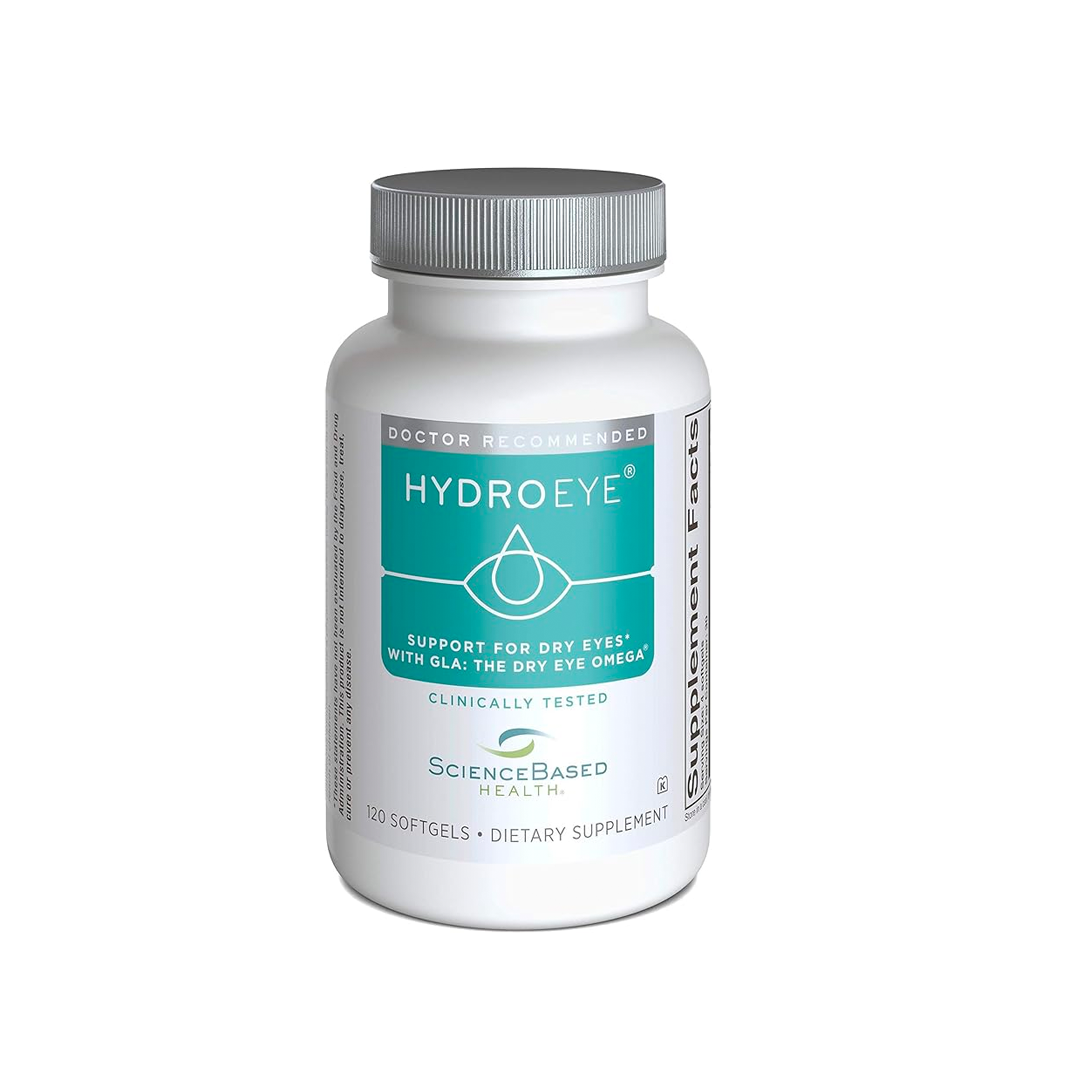
Hydro Eye Supplements
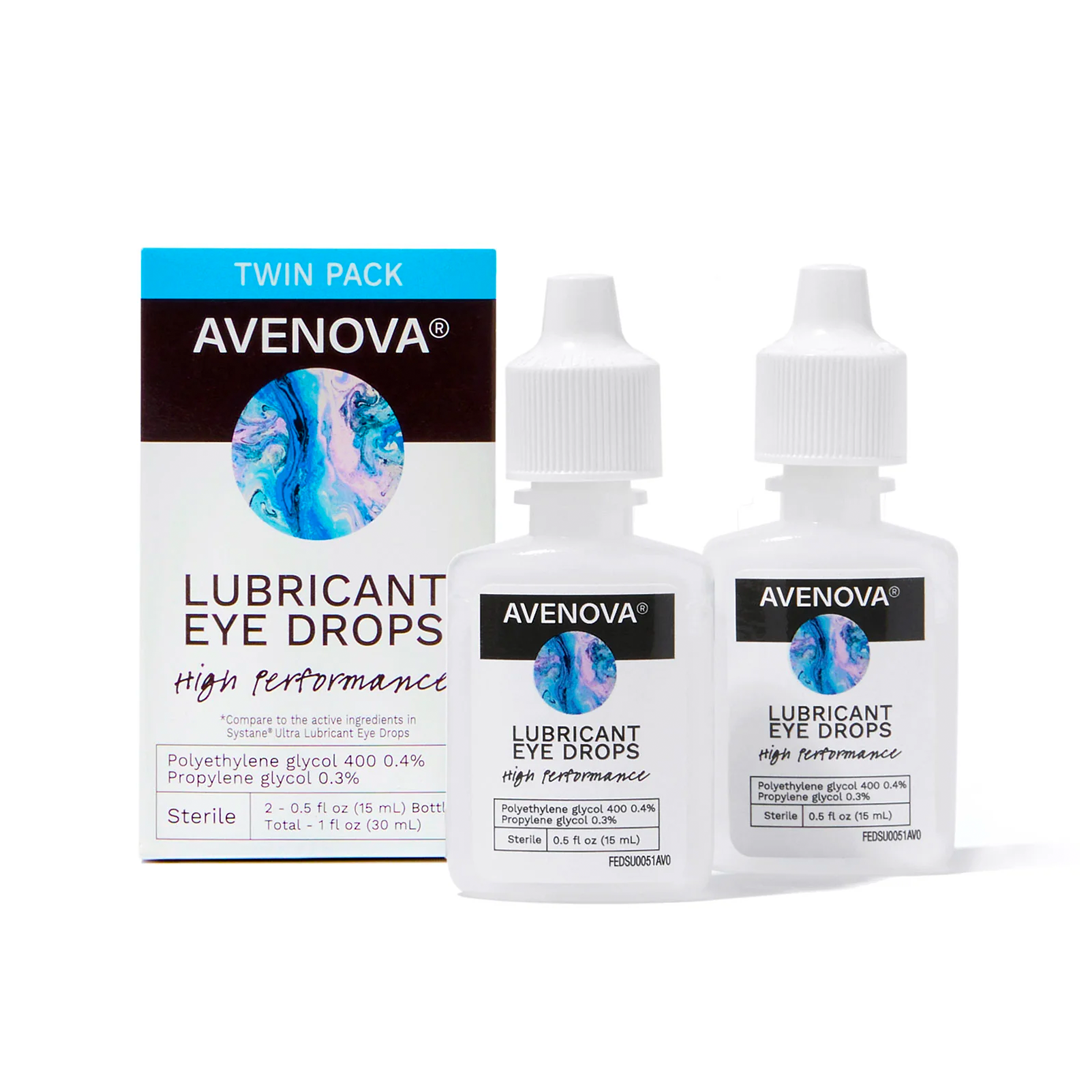
Avenova Eye Drops

OCuSOFT Lid Wipes
Regener-Eyes Eye Drops
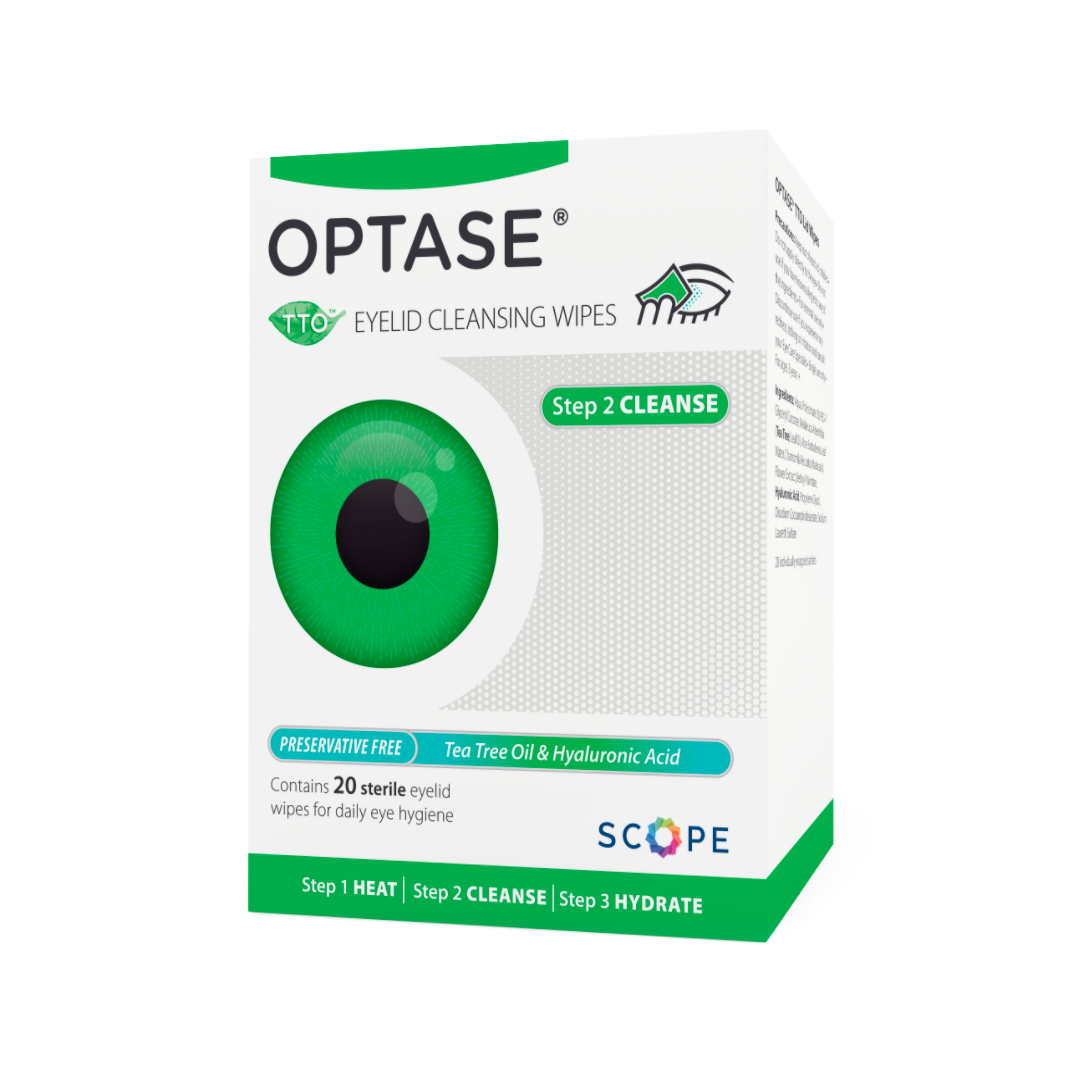
Optase Wipes
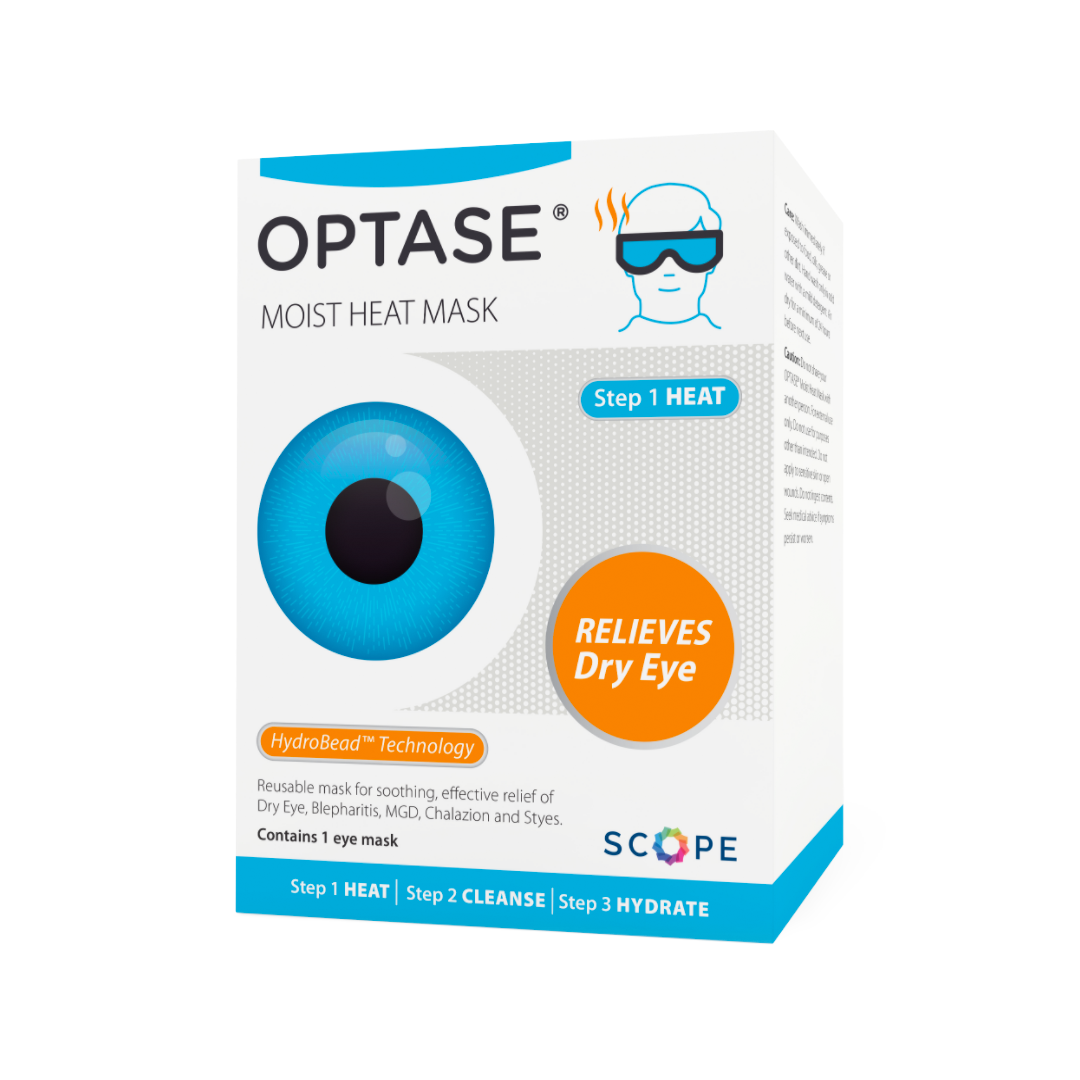
Optase Heating Mask
Dry Eye Technology We Use
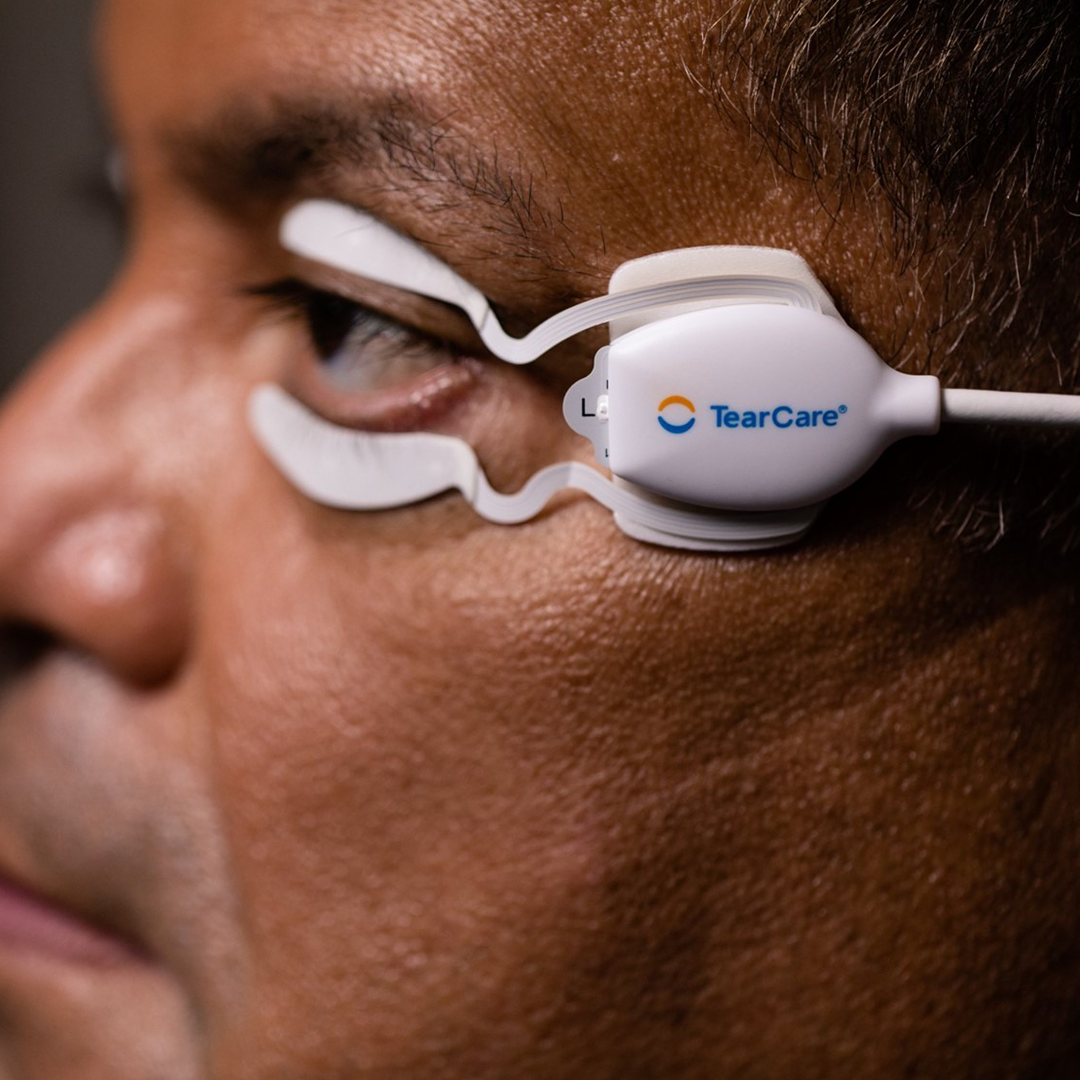
TearCare
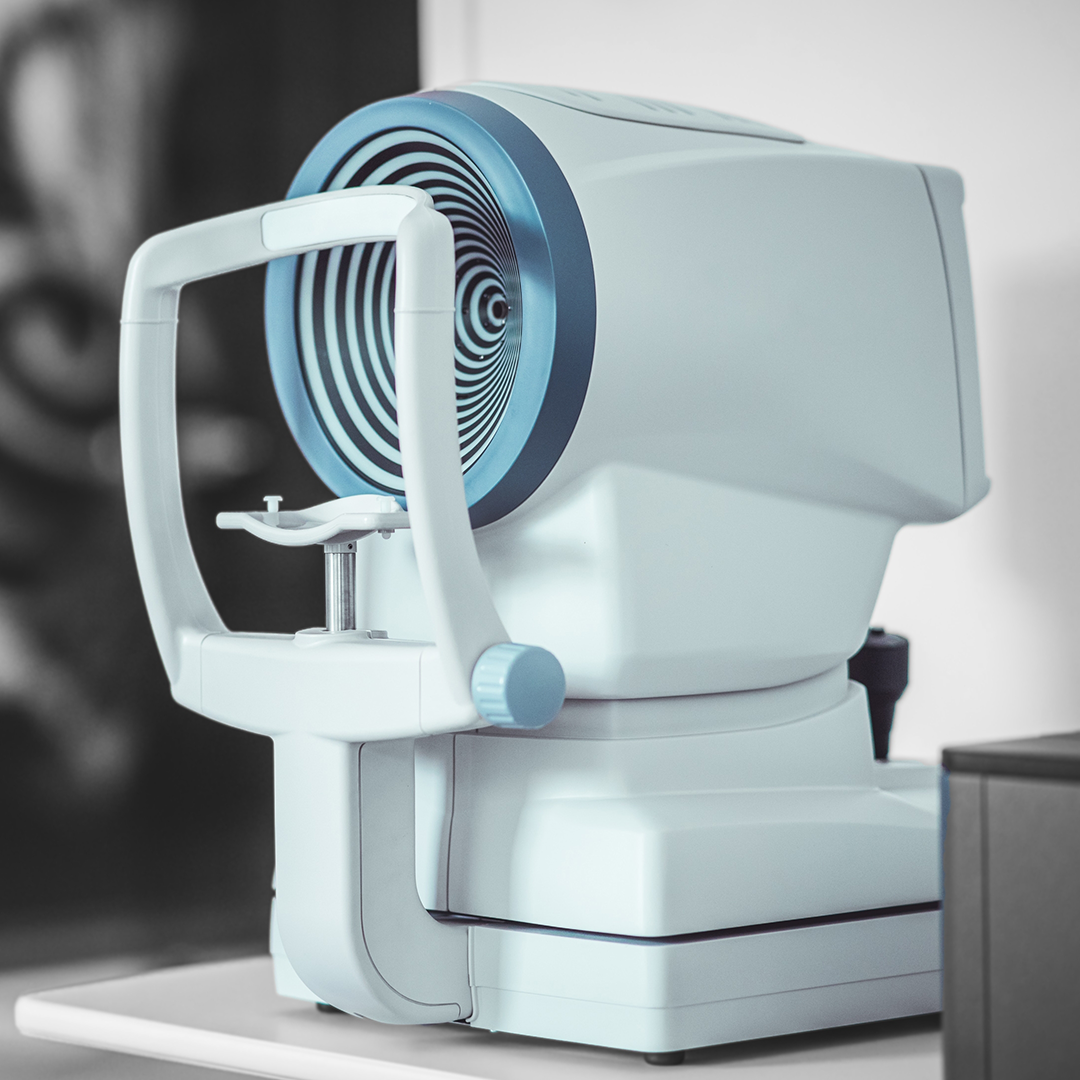
Meibographer CA800
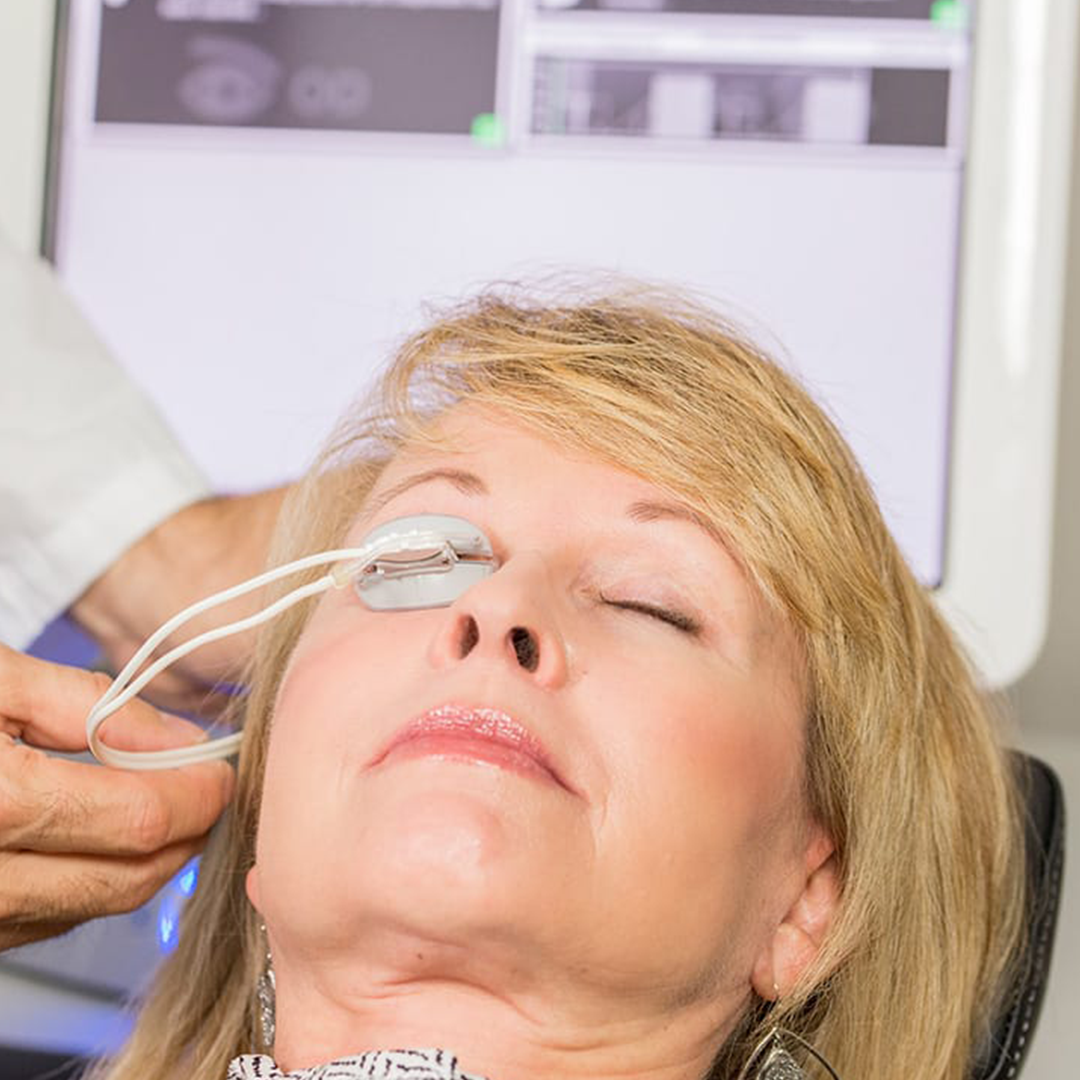
LipiFlow
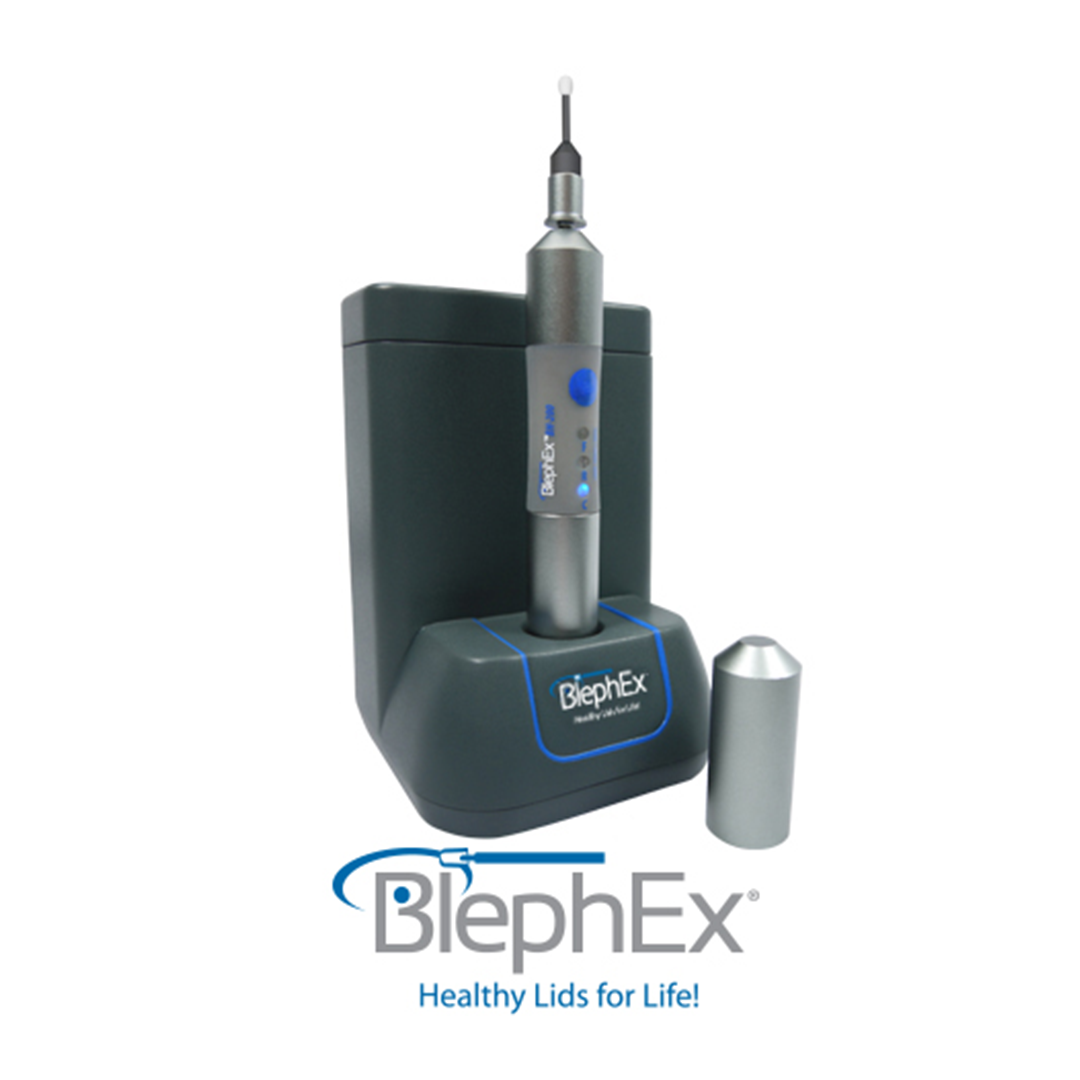
BlephEx
Dry Eye Treatment Options
Treating dry eye is personal, and your plan often changes over time as we see how your eyes respond. Depending on what is driving your symptoms, your care may include:
- Preservative-free artificial tears and gels to add the lubrication your eyes are not making, with a thicker gel option for moderate to severe dryness.
- Prescription drops and medicines that calm inflammation on the ocular surface and help your lacrimal and meibomian glands produce healthier tears.
- Nutrition and lifestyle changes, such as an anti-inflammatory diet and omega-3 supplements.
- In-office gland treatments such as TearCare, LipiFlow, BlephEx, and meibomian gland expression.
- Punctal plugs to slow the drainage of tears from the eye.
- Advanced options, including amniotic membranes and autologous serum tears, for more involved cases.
Blepharitis and Dry Eye
Blepharitis is chronic inflammation of the eyelid margins, which can cause redness, itching, crusting, and dandruff-like scales on the lashes. Because blepharitis, meibomian gland dysfunction, and dry eye are closely linked, treating the eyelids is often part of getting dry eye symptoms under control.
TearCare for Meibomian Gland Dysfunction
TearCare is an in-office treatment for the blocked meibomian glands that cause evaporative dry eye. It gently warms and unblocks the glands so your tears hold together and stay on the surface of your eye. Our advanced technology page shows the other dry eye equipment we use, including the Meibographer and LipiFlow.
Dry Eye and Contact Lens Discomfort
Dryness is one of the most common reasons people give up on contact lenses. With care of your ocular surface, lids, and meibomian glands, and the right choice of lenses and solutions, comfortable contact lens wear is often possible. Specialty and scleral lenses can be a good fit for eyes that need extra moisture.
Explore contact lens exams and fitting or learn about specialty contact lenses.
Schedule Your Dry Eye Exam
Dry eye is easier to manage once we know what is driving it. If your eyes feel dry, gritty, or tired through the day, request a visit and let us take a closer look.
